Deputy Minister Yura Vitanova: We are launching the digitization of the construction sector in Bulgaria
Deputy Minister Yura Vitanova: We are launching the digitization of the construction sector in Bulgaria
By Ministry of Regional Development and Public Works
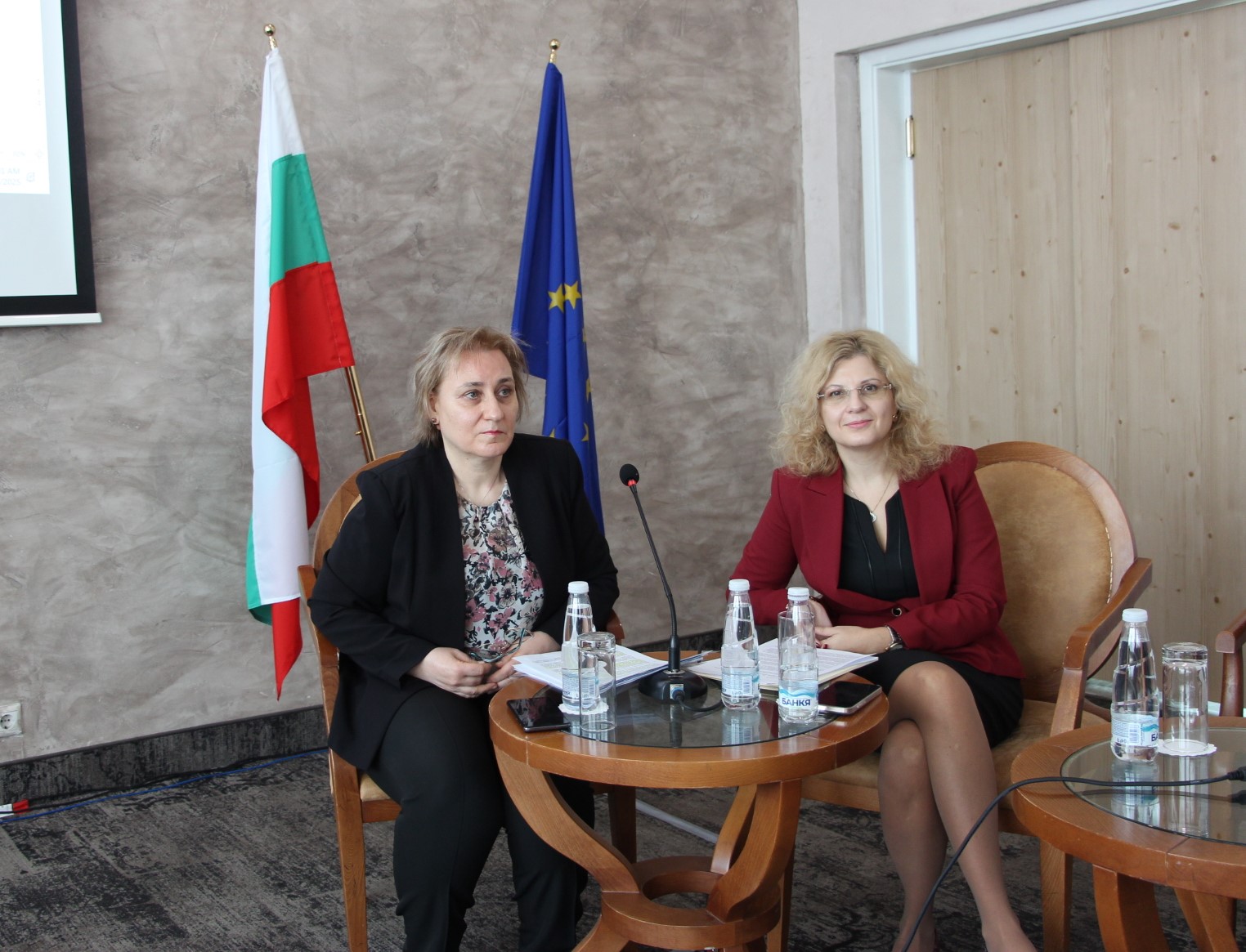
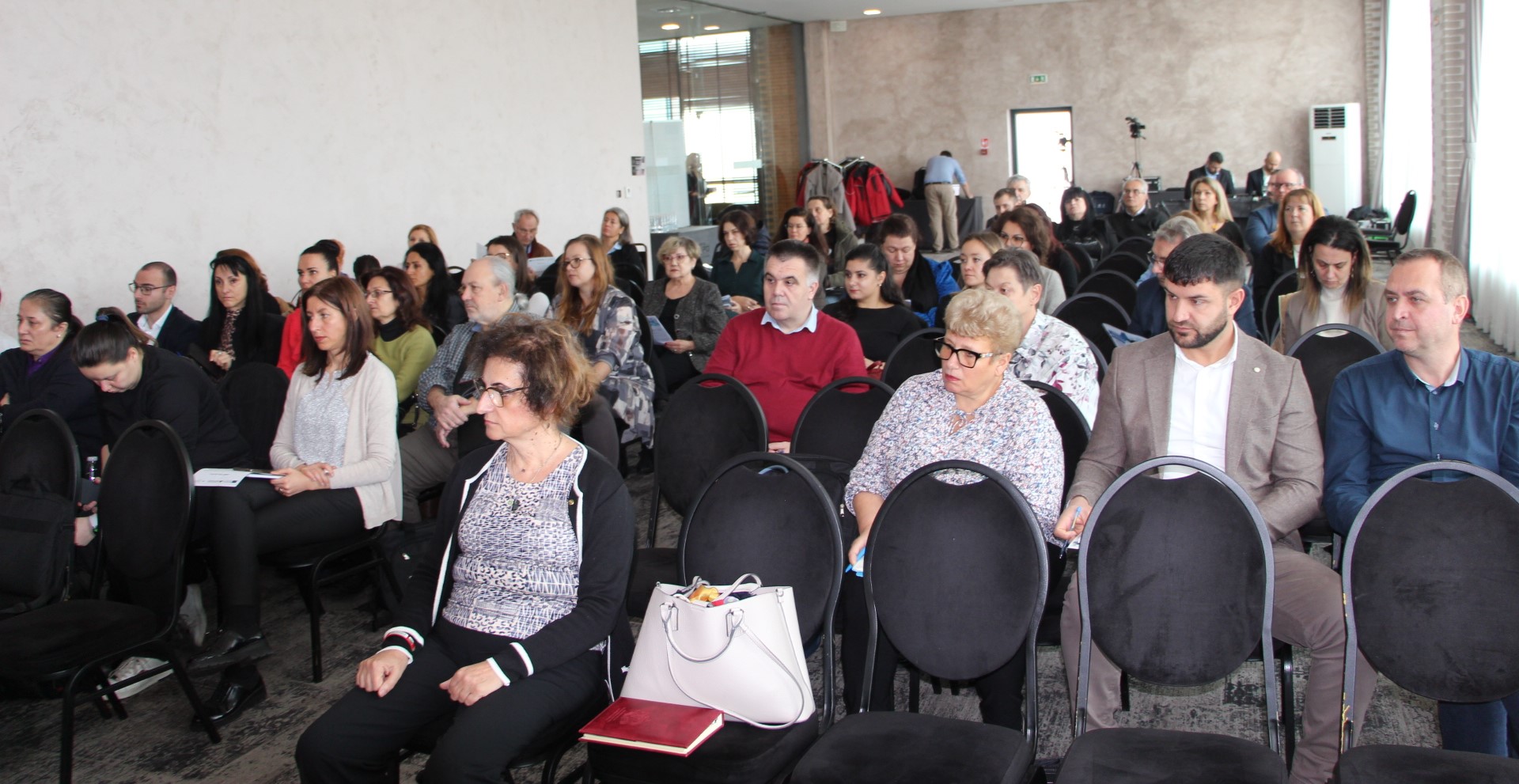
With the adoption of the reform, paper disappears from the construction process, procedures are accelerated and quality is improved
We are launching the digitisation of the construction sector in Bulgaria. For the Ministry of Regional Development and Public Works and the entire construction industry, this is an important and long-awaited event for the modernization of the entire industry. This was stated by the Deputy Minister of Regional Development and Public Works Yura Vitanova, who opened an information event related to investment C10.I6 ‘Supporting a pilot phase for the introduction of building information modelling (BIM)’, financed by the National Recovery and Resilience Plan.
“The construction sector is one of the main drivers of the Bulgarian economy. It is essential for the comfort and security of buildings, roads and infrastructure," Vitanova said. She noted that the efficiency of construction directly affects the development of regions, the attraction of investments and the standard of living. According to her, the modernization of the sector is a strategic task for the MRDPW.
In recent years, the need for a comprehensive digital transformation of the sector has become increasingly clear in order to improve the administrative procedures under the Spatial Planning Act. A significant part of the administrative procedures in the sector are still carried out on paper, which slows down processes and requires significant human resources. The lack of uniform digital standards leads to bottlenecks and delays in the implementation of projects.
The Deputy Minister stressed that European policies set new requirements for sustainability, energy efficiency, data traceability and more precise information management throughout the life cycle of construction works. “To meet these expectations, we need to build a modern and integrated digital environment,” she said.
The investment aims to prepare all actors in the sector – administration, designers, procurers, builders, business and academia – for the implementation of BIM/BIM in our country. "Digitalisation in the construction sector is no longer desirable but necessary, and we are all convinced of this," said Deputy Minister Yura Vitanova.
Digital processes will affect all actors in the process. They will facilitate the work of the administration and reduce the time for processing and conciliation of documents. For builders and designers there will be better control over the quality of the prepared documents. Businesses will be given the opportunity to work on standardized documentation that will provide predictability. "Digitalisation is not a technological change, but a transformation that improves the daily work of all actors in the construction sector," Vitanova further noted. She added that the process will not be immediate, but with the joint efforts of the institutions and the professional community, the adaptation will be successful.
During the forum, experts from the Ministry of Regional Development and Public Works presented the main highlights of the project for digitalisation of the construction sector. The reform includes a comprehensive strategic framework, standardised digital processes, the introduction of BIM/BIM, regulatory changes and the development of e-services.
Bulgaria is among the EU countries with a low degree of digitalization in construction, with processes in the sector still slow, based on paper documents and associated with limited interoperability between institutions. This makes communication between designers, builders and administration more difficult and leads to delays and risks of errors.
The reform aims to create a single, transparent and integrated digital environment in line with key European practices – the European Green Deal, the EU’s digital transformation strategy, the new Construction Products Regulation and energy efficiency and circular economy requirements. Digital processes are key tools for increasing sustainability and competitiveness in construction.
The main objectives of digitalisation are: operational efficiency, sustainable and energy efficient construction, transparency and traceability of processes, sustainable use of resources and circular economy, informed management.
The project runs until June 2026. Training and information events are planned in the country’s six planning regions. At present, the strategic documents of the Council of Ministers have been approved under the project, the work of the cadastre has been improved and a portal for spatial planning is being developed.