Bulgaria and North Macedonia have started preparing the new Interreg programme for 2028-2034
Bulgaria and North Macedonia have started preparing the new Interreg programme for 2028-2034
By Ministry of Regional Development and Public Works
2c104e6289eba4f8d57d3994e3641433.jpeg)
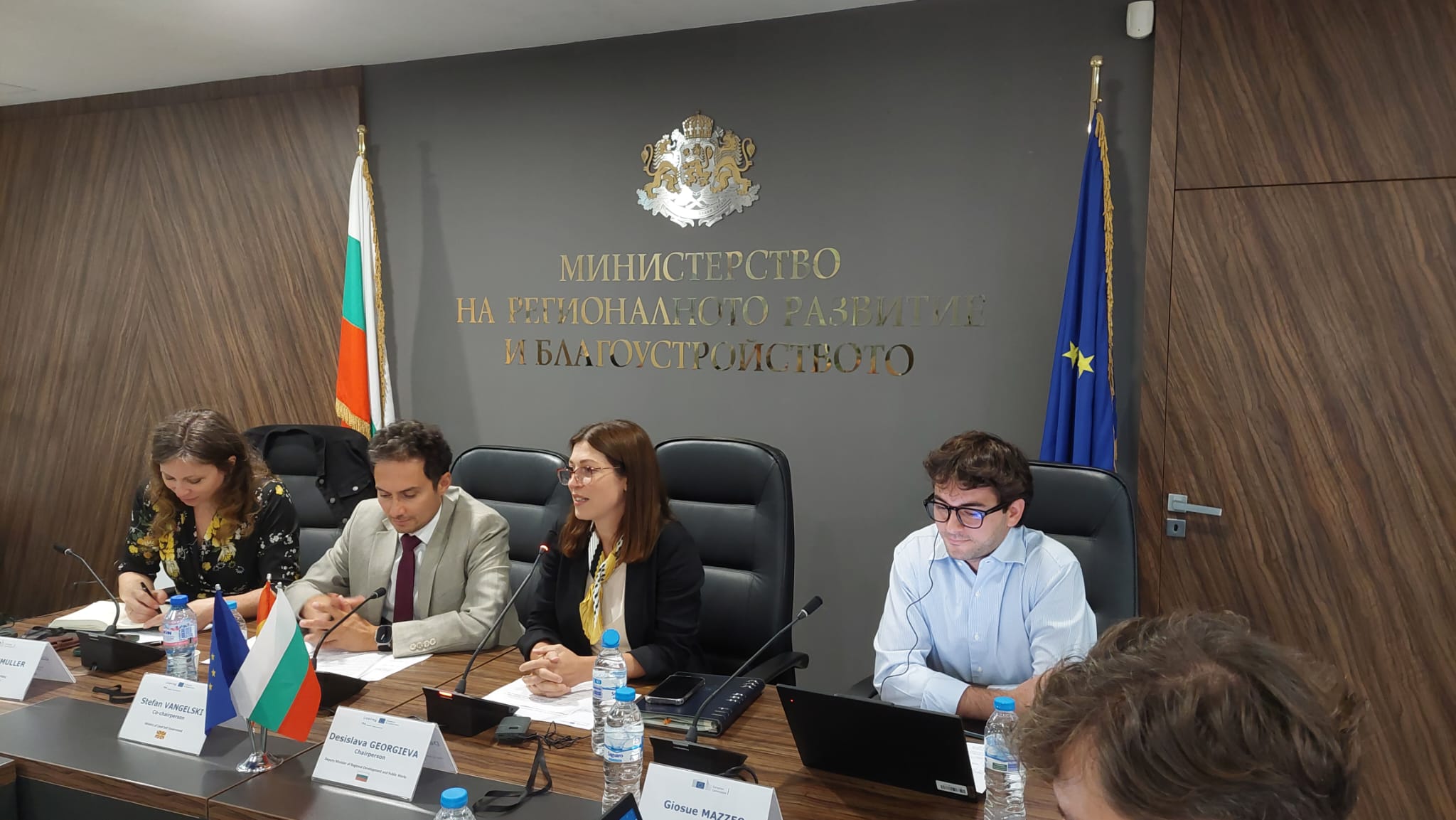
“We must together determine the direction of cross-border cooperation for the next programming period – on which common challenges to focus our efforts, where cross-border cooperation can have the greatest effect and how the future program can bring real results for the people and for the development of the region.” This was stated by Deputy Minister of Regional Development and Public Works Desislava Georgieva at the opening of the first meeting of the Programming Group of the Interreg Bulgaria – North Macedonia Program 2028–2034. It was attended by representatives of the European Commission, the programme authorities of the two countries, national, regional and local institutions, socio-economic partners and civil society organizations.
The meeting launched the strategic conversation on the new agenda, linking the lessons learned from the previous cross-border cooperation, the new European framework for 2028-2034 and the results of the territorial analysis and consultations with local communities.
For three programming periods since 2007, 206 projects have been supported with the participation of 463 organisations and a total budget of nearly EUR 67 million. The experience gained shows that the next step is to move from individual projects to more sustainable partner ecosystems and long-term solutions, which can also be implemented after the end of funding.
In order to build the solutions for the future program on the real needs and investment readiness of the cross-border region, the MRDPW and its partner from the Republic of North Macedonia – the Ministry of Local Self-Government, developed and implemented a system of four different but complementary approaches: territorial analysis, regional consultations with over 150 participants, online collection of project ideas and sector-oriented inter-institutional consultations. The aim is to identify where co-investments can most significantly contribute to better access to services and opportunities, higher quality of services and a better way of life for people on both sides of the border. The collected data and proposals outline both the common challenges – demographic decline, outflow of young people, insufficient connectivity and differences in access to services – as well as the potential for cross-border business development and better preparedness for climate risks.
The task of the Programming Group is now to turn this broad evidence base into strategic choices for the future programme.