Over €88 million has been invested in the development of the border regions between Bulgaria and Turkey over the last 20 years
Over €88 million has been invested in the development of the border regions between Bulgaria and Turkey over t
By Ministry of Regional Development and Public Works
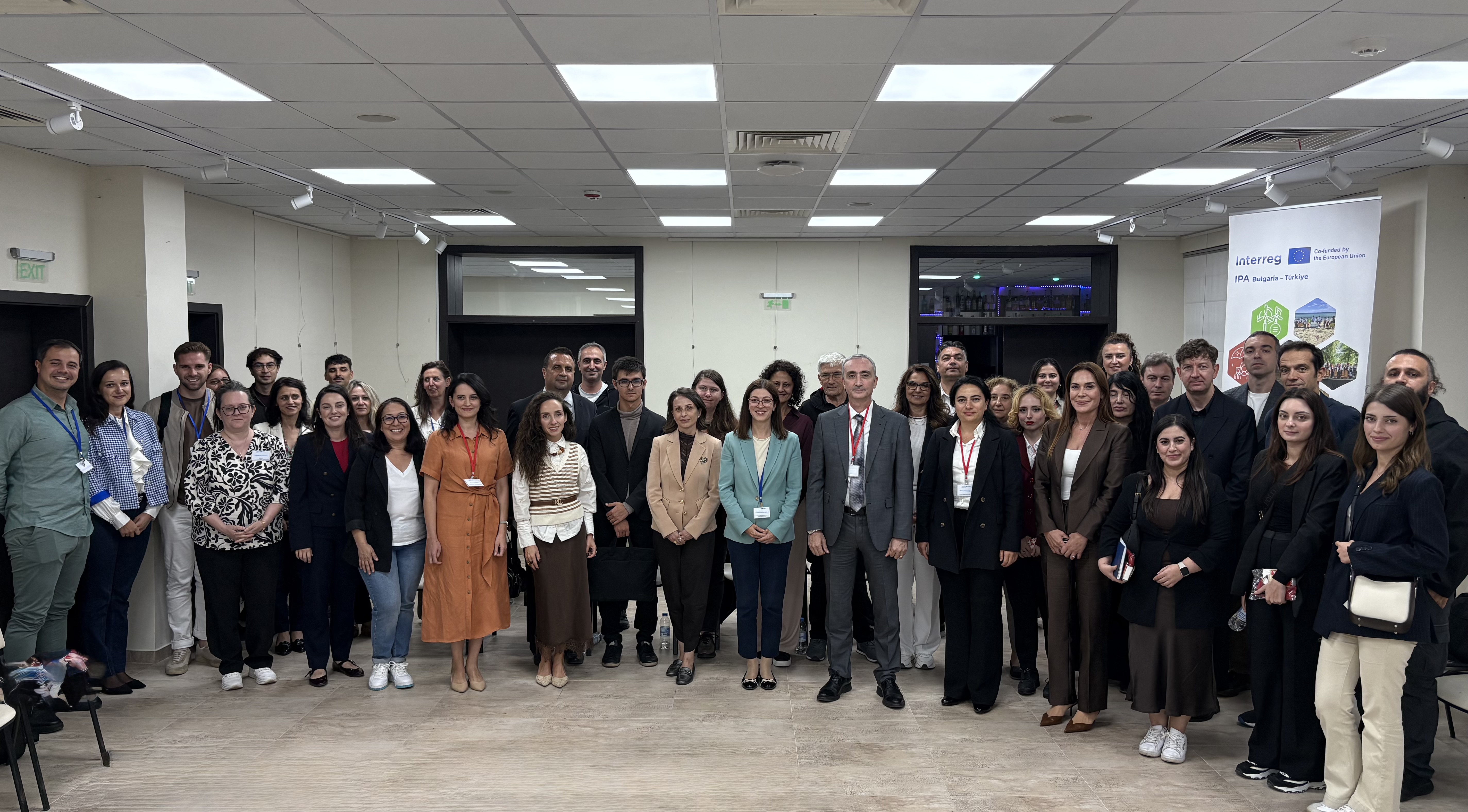
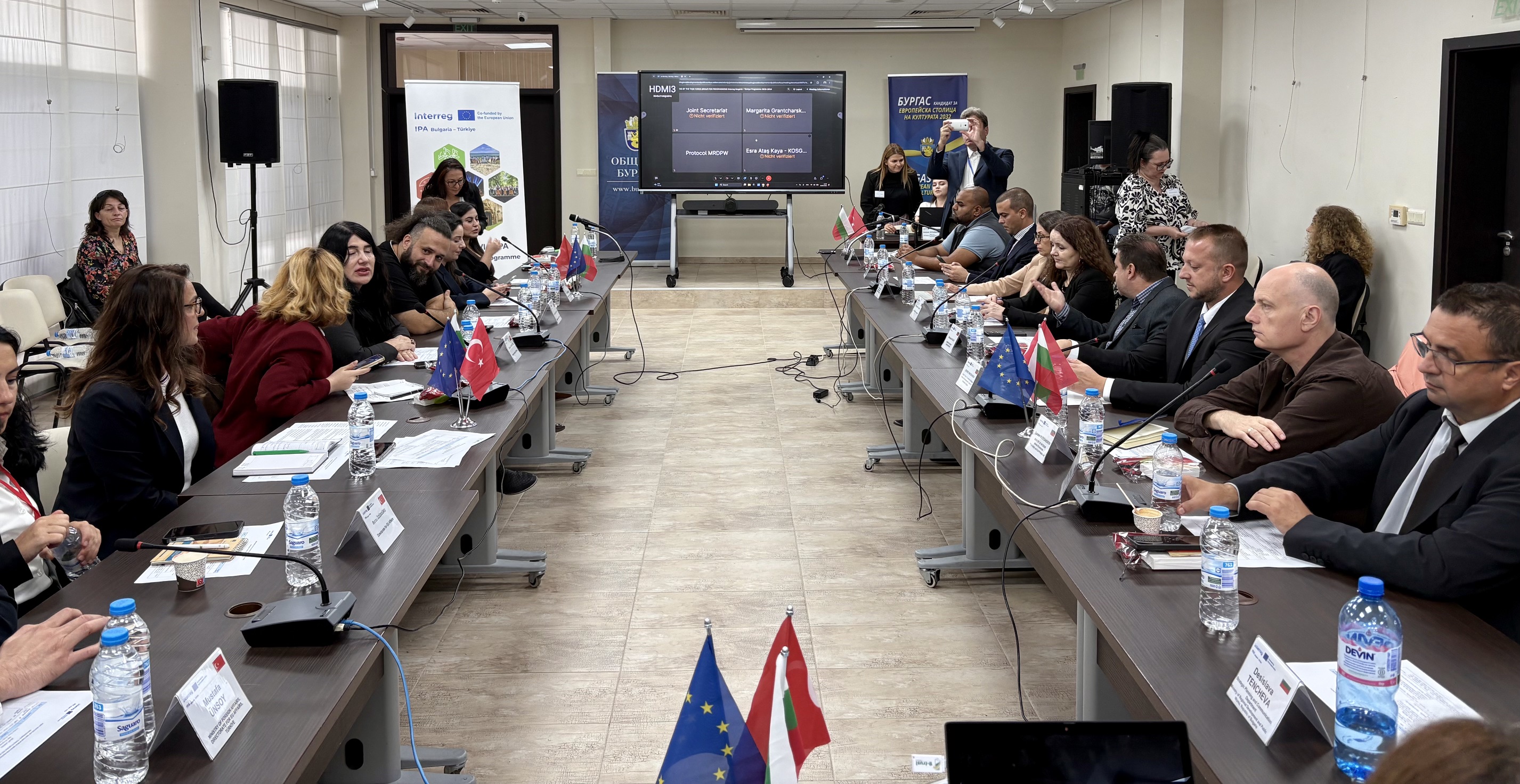

Preparations are underway for a new European investment program between Bulgaria and Turkey for the 2028–2034 period
Over the past 20 years, more than €88 million has been invested in the development of communities within the border regions between Bulgaria and Turkey. This funding was provided through the INTERREG VI-A IPA Bulgaria–Turkey program, which is managed by the Ministry of Regional Development and Public Works. More than 280 projects—focusing on economic and tourism development, environmental protection, and the enhancement of border security—have been implemented with the participation of over 600 partners. This was announced in Burgas by Desislava Georgieva, Deputy Minister of Regional Development and Public Works and Head of the program’s Managing Authority. She opened the inaugural meeting of the Programming Working Group tasked with developing the future joint program between the two nations for the 2028–2034 period. Participants in the meeting included Serdar Öztürk, Deputy Director General for Financial Cooperation and Project Implementation at the Directorate for EU Affairs of the Republic of Turkey; Margarita Grancharska-de Muinck from the European Commission’s Directorate-General for Regional and Urban Policy (DG REGIO) (who joined online); as well as representatives from various state institutions from both countries, non-governmental organizations, and others. Deputy Minister Georgieva noted that work on the new EU-funded program has been underway since the beginning of 2026, involving active consultations with all stakeholders and a series of meetings in various formats. "The goal was to identify the most critical priorities for the region and to understand the actual needs on both sides of the border, in order to strike the right balance between the ideas we wish to implement and the requirements we must adhere to," she emphasized.
Georgieva explained that the new programming period will demand greater speed, flexibility, and preparedness from beneficiaries and institutions alike. This is because the "n+3" rule—which previously offered a buffer—will no longer apply, meaning that objectives must be met within tighter timeframes. Furthermore, competition among various programs across Europe is set to intensify, necessitating thorough preparation from the very outset. This will require leveraging the full extent of the experience gained over the past three programming periods. In defining strategic priorities, the process will account not only for local ambitions and needs but also for risks, key trends, and emerging opportunities. Additionally, a program framework must be established that can withstand a faster pace while remaining adaptable to ongoing changes. "Our ambition is for the program to be ready and presented to the European Commission by the end of next year. I believe this is entirely achievable and will, at the same time, prepare us for the work process over the next seven years," added the Deputy Minister of Regional Development.