The Bulgarian Presidency of the Danube Strategy united the four EU macro-regional strategies around common messages on the place of macro-regional cooperation in the future EU budget
The Bulgarian Presidency of the Danube Strategy united the four EU macro-regional strategies around common mes
By Ministry of Regional Development and Public Works
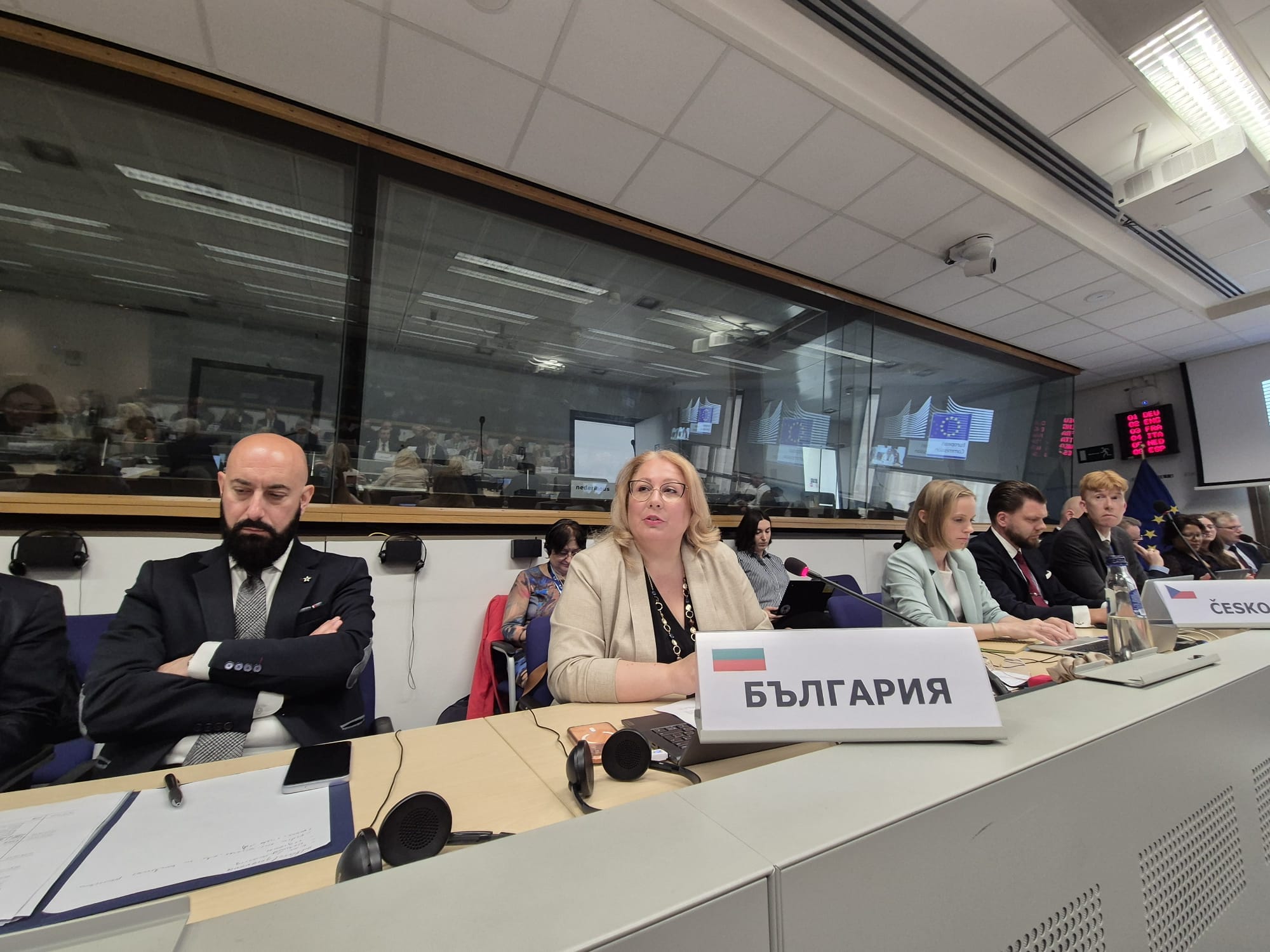
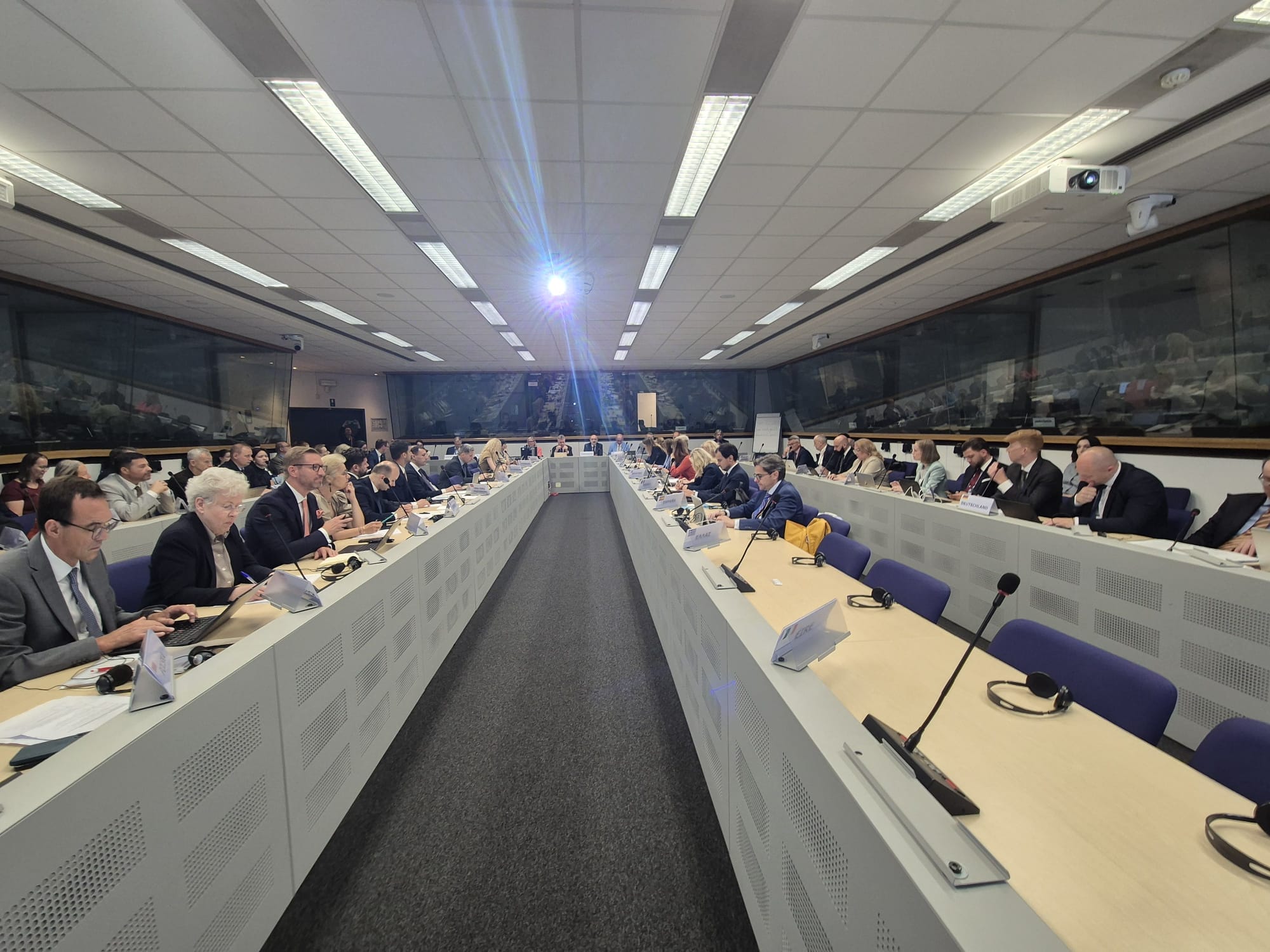

The Bulgarian Presidency of the European Union Strategy for the Danube Region, coordinated by the Ministry of Regional Development and Public Works, chaired the 11th Meeting of the Trio Presidencies of the four EU macro-regional strategies in Brussels. The meeting was attended by representatives of the existing, previous and future Presidencies of the Baltic Sea, Danube, Adriatic-Ionian and Alpine Strategies, as well as representatives of the European Commission.
The most significant outcome of the meeting was the presentation of the common messages of the Presidencies of the four macro-regional strategies on the place of macro-regional cooperation in the next Multiannual Financial Framework of the European Union for the period 2028-2034.
The paper "Guidelines for advocacy and strategic orientations on the role of EU macro-regional strategies in the EU Multiannual Financial Framework 2028-2034" was prepared at the initiative of the Bulgarian Presidency of the Danube Strategy, following joint work and coordination between the four macro-regional strategiesThe document underlines the need for macro-regional strategies to remain an integral part of the future architecture of cohesion policy and to be more closely integrated into the future policies and financial instruments of the European Union. Emphasis is placed on their role as a mechanism to link European policies with territorial needs, to make more effective use of European investments and to develop cooperation between countries and regions. The document also pays special attention to the contribution of macro-regional strategies to the EU enlargement process, as they provide a well-established framework for equal cooperation between Member States and candidate countries.
The representatives of the other three Presidencies welcomed Bulgaria's initiative and identified the document as the first-ever common strategic voice of the four macro-regional strategies. The European Commission took note of the document presented, highlighting the importance of such joint initiatives in the early stages of the preparation of the next Multiannual Financial Framework.
The next step is to present the document to the European institutions, Member States and all stakeholders involved in the preparation of future EU policies and programmes, in order to take the macro-regional dimension into account already in the programming process of the next programming period.
The 18th EU Macro-Regional Strategies High-level Meeting, organised by the European Commission, took place ahead of the Presidencies Trio meeting. The main focus of the discussions was the role of macro-regional strategies in the future cohesion policy and the preparation of the next Multiannual Financial Framework.
During the meeting the National Coordinator for the Danube Strategy Vyara Mincheva presented the document with strategic guidelines for positioning the strategy in the context of the next EU programming period, approved by the National Coordinators of the Strategy. The document, developed jointly by the Bulgarian Presidency and the Danube Strategic Point, outlines a common vision for the development of the Danube region after 2027 and formulates 29 strategic themes agreed by all 12 Priority Areas of the Strategy.
"Our aim is to ensure, even before the start of the actual interinstitutional negotiations on the next Multiannual Financial Framework, a clearer strategic link between the priorities of the Danube Strategy and the main policies of the European Union – competitiveness, clean transition, security, sustainability and enlargement. Thus, the macro-regional dimension will be a natural part of future European investments", said Vyara Mincheva. She stressed that the next stage is the identified strategic priorities to be linked to concrete funding opportunities not only through Interreg programmes, but also through centrally managed EU programmes, as well as through the future European Competitiveness Fund. In this context, the Danube Region Interreg programme retains its key role as a key instrument to support the implementation of the Strategy.
During the discussion, the development of cooperation between the Danube Strategy and the Common Maritime Agenda for the Black Sea was also presented, as well as the importance of coordination with other strategic frameworks and international organisations, including the Danube Commission and the International Commission for the Protection of the Danube River.
The Deputy Director-General of the European Commission's Directorate-General for Regional and Urban Policy, Hugo Sobral, stressed that the European Commission will continue to support transnational cooperation beyond 2027. For his part, the Head of the Unit for Macro-regions, Transnational, Interregional,External Cooperation and Enlargement, Moray Gilland, noted that macro-regional strategies are of strategic importance and that the preparation of the next Multiannual Financial Framework and the development of macro-regional strategies should go hand in handThe representatives of the European Commission positively assessed the actions taken by the Bulgarian Presidency for the early strategic positioning of the Danube Strategy, stressing that such an approach creates better preconditions for the successful integration of macro-regional priorities into future policies and financial instruments of the European Union.